1 April 2026
6 min read

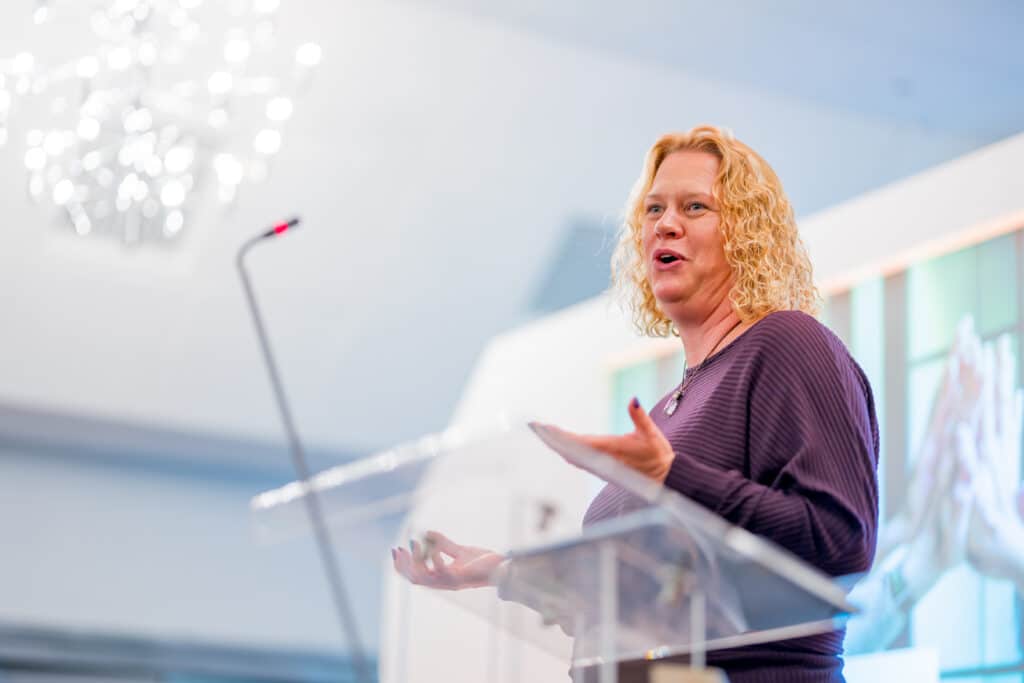
By Jenny Hinde is Chief People Officer at Personal Group
Workplace wellbeing is undergoing an important shift. Employees used to judge an employer on the number of benefits, policies or wellbeing initiatives they offered. Now, they’re more concerned with their everyday life at work.
Do I feel safe speaking up when I’m struggling? Can I ask for flexibility without damaging my prospects? Is support accessible when I need it? Can I work to my max without sacrificing my health? All legitimate questions which move the conversation beyond “what wellbeing benefits do we offer?” towards “how is our work designed, led and experienced?”
Psychological safety – a story with breadcrumbs
Psychological safety can feel difficult to measure, but every organisation generates clues that lead back to a sense of whether people feel able to ask for help.
Looking beyond headline engagement scores, HR should examine how people use the support available. Who requests flexible working? Who takes carers’ leave or shared parental leave? Are these policies used predominantly by senior, managerial or desk-based employees? Do we have teams, locations or workforce groups where take-up is conspicuously low?
Low usage doesn’t automatically mean low need. It may indicate that employees are unsure about what is available or fear being judged. This applies particularly to sensitive provision. Support for employees affected by domestic abuse, for example, may be essential but necessarily discreet, and nobody would expect high participation to be a measure of success.
Other indicators are more visible: grievances, avoidable attrition, sickness absence, low survey participation or high numbers selecting “prefer not to say” when asked for diversity information. Silence should not always be mistaken for satisfaction. In some cultures, it is the clearest warning sign.
The most important yardsticks are whether employees know help exists, and whether they feel they can trust managers and leaders to respond.
Managers make wellbeing real or render it meaningless
Policies may be designed centrally, but employees experience an organisation largely through their manager, which creates two tests of a manager’s capability. First, do managers have the skills to recognise early signs of difficulty, hold sensitive conversations empathetically and set clear expectations without creating a sense of pressure? Second, are they empowered to act? A manager may listen sympathetically, but that is irrelevant if they are unable to adjust working arrangements or redistribute work.
Organisations need to equip managers themselves with the psychological safety that comes from training, clear pathways for escalation and permission to lead their team with consistency, while treating and supporting people as individuals.
Measure impact, not activity
Up until now, wellbeing reporting has concentrated too readily on what is easiest to count: registrations, webinar attendance, app logins and benefit take-up.
These figures have value, but don’t tell us whether wellbeing is improving. A heavily used support service could demonstrate strong engagement, or it could reveal that preventable problems are escalating. Low usage could mean employees are thriving, or that the service is inaccessible, poorly communicated or mistrusted.
HR teams need to join the dots between participation data and wider workforce outcomes. Are absence patterns changing? Do employees feel able to raise concerns? Are adjustments happening early enough to prevent people leaving? Does access differ between sites, shifts, grades or demographic groups? What are exit interviews saying about workload, management and trust?
It’s not easy, but the objective is to move beyond showing that wellbeing programme exists and to understand whether people are actually healthier, happier and more secure at work.
Sustainable performance: what can we learn from NEETs?
This issue is becoming even more pressing as employers consider the next generation of workers and the challenge of engaging young people currently outside education, employment or training (NEETs).
Our recent Purpose Lab sessions with students preparing to enter employment revealed a generation that is optimistic and purposeful, but which is carrying a lot of financial and emotional insecurity. They worry about affording a home, fair pay and job availability. They feel ill-prepared for working life – even talking of imposter syndrome – and are confused by what AI means to them. As employers we shouldn’t mistake these concerns for a lack of resilience, but take them as a call for greater clarity, fairness and human connection.
They are, or course, digital-natives and digital communication will be important, but an app or push notification cannot carry the whole wellbeing relationship. Face-to-face conversations, visible managers and opportunities to ask questions are essential if we’re to make unfamiliar support feel relevant and safe. This nurturing human contact will be particularly important for people entering work without established networks or confidence.
Modern evolution: from benefits to work design
A credible wellbeing strategy needs to bring together work design, leadership, communication and practical support.
There is no doubt that health protection benefits can play an important preventative role. A cash plan might help employees manage the everyday cost of dental treatment, eye care or physiotherapy, while insurance can protect income through a health crisis. Used well, these benefits bring physical and financial wellbeing together, helping people access treatment early and avoid financial shocks.
But these benefits are only valuable if employees can understand and use them. Language, a lack of confidence, shift patterns, digital access and complicated claims processes can all become barriers. Communication is key. Whereas a weekly email lands easily for office-based workers, frontline workers may rely more heavily on workplace conversations, posters, mobile communication and line managers.
Ultimately, employees are not asking employers to solve every problem in their lives. They are asking for work that does not create avoidable harm, managers who treat them as people and support they can access without confusion, stigma or fear.
That is the difference between wellbeing as an organisational promise and wellbeing as an everyday reality. The employers that understand it will not only build healthier and more resilient workforces, they’ll create conditions for people and performance to flourish.