2 October 2025
4 min read

Personality may play a bigger role in career choice than qualifications or opportunity, with distinct behavioural traits consistently appearing across different professions.
According to research from Growth Animals, a framework developed with personality type expert David Hodgson, people are naturally drawn to careers that align with how they think, communicate and solve problems.
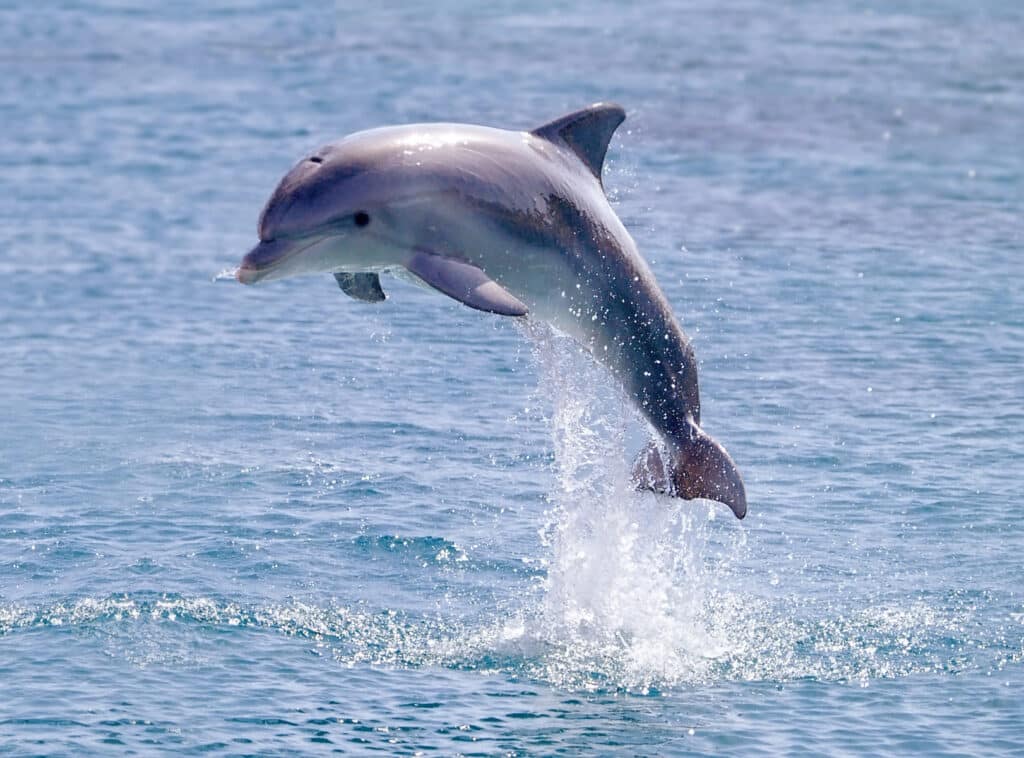
The findings from the research, based on data from more than 500,000 people, suggests that strategic and analytical “Eagle” personalities are disproportionately represented in law, while calm, relationship-focused “Dolphins” are more commonly found in HR roles. “Pandas” are said to thrive in people-centred professions such as hairdressing, while journalism and broadcasting attract adaptable communicators known as “Falcons”.
Chris Thornhill, co-founder of Growth Animals, said it is common to presume that career choices are driven by education or circumstance, but personality also plays a significant role.
“People often assume they choose a career because they’re good at a subject or because an opportunity presents itself,” Thornhill said. “But we’re also naturally drawn towards environments that suit the way we’re wired. We don’t just consciously choose careers. We’re attracted to them because of who we are. When you look across different professions, the patterns are remarkably consistent.”
The personality framework groups people into a range of animal personalities, each representing different behavioural preferences, motivations and strengths. Users complete a five-minute online assessment before receiving insights into how they work, communicate and develop.
Beyond career guidance, the research also raises questions for employers about recruitment, job design and employee engagement.
Growth Animals argues that understanding personality can help organisations build stronger teams while enabling individuals to better understand the environments in which they are most likely to thrive.
Thornhill said people whose personalities differ from the dominant profile within their profession should not assume they are in the wrong career.
“While we found that, for example, many dentists are polar bears, not all are,” Thornhill explained. “It doesn’t mean they dislike their job or aren’t good at it – just that they might approach it in a different way to their polar bear colleagues and may focus on different specialisms.
“You can still be extremely successful in a job that is dominated by other personality types as long as you remain true to your personality by playing to your strengths. It can even make you stand out in a good way, as you’ll be different from many of your colleagues, bringing an original take to the job.”
Among the career matches identified by the research are Black Bears in banking, Koalas in teaching, Lions in hospitality, Polar Bears in accountancy and dentistry, Seahorses in travel consultancy, Eagles in architecture and law, and Dolphins in interior design.
The statistics are based on data gathered over five years from people who completed the Growth Animals personality assessment.