6 November 2025
3 min read

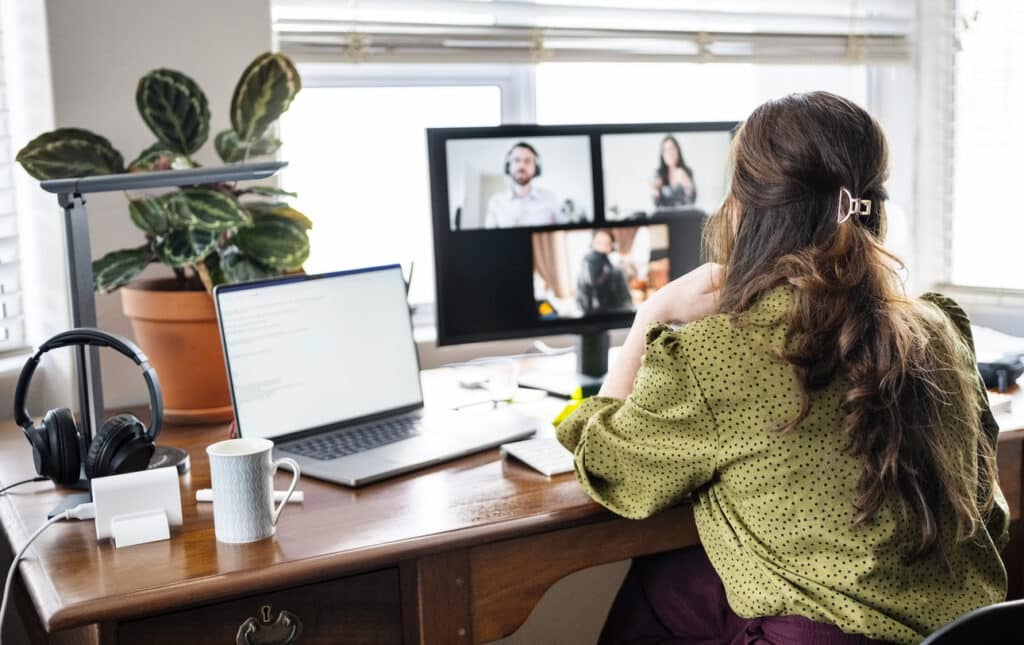
Nearly two-thirds of UK office workers have deliberately chosen to work from home to escape workplace noise, raising fresh questions about whether employers are creating environments that support productivity as more organisations tighten return-to-office policies.
New research from office furniture specialist Calibre Furniture found that 63 per cent of employees surveyed had worked from home on at least one occasion specifically because noise in the office made it difficult to work effectively. The findings, published in the UK Office Noise Report 2026, suggest that poor workplace design could be undermining employers’ efforts to bring staff back into the office.
The issue appears to be worsening in hybrid workplaces. Almost three-quarters (73 per cent) of respondents working in hybrid organisations said their open-plan office had become noisier since hybrid working was introduced, while 69 per cent reported that office noise regularly prevented them from concentrating effectively.
The research comes as a growing number of major employers, including PwC, Barclays, John Lewis and Amazon, have increased mandatory office attendance in recent years. However, Calibre Furniture argues that many organisations are overlooking the physical working environment needed to make those policies successful.
The survey also highlights a potential wellbeing concern. Constant noise and an inability to focus can contribute to workplace stress, cognitive overload and reduced productivity, making the design of office environments an increasingly important consideration for employers seeking to support both performance and employee experience.
Despite this, only 31 per cent of respondents believe their employer takes office noise seriously.
The survey also found that 72 per cent said their workplace did not provide designated quiet zones for focused work, leaving many employees with little choice but to seek quieter environments elsewhere.
Awareness of acoustic standards also appears to be low. Nearly three-quarters (72 per cent) of respondents were unaware of BS 8233:2014, the British Standard that provides guidance on recommended background noise levels for offices. Just 12 per cent said their employer had ever carried out an acoustic assessment of their workplace, while only six per cent reported that any acoustic improvements had subsequently been made.
Dave Robbins, managing director at Calibre Office Furniture & Interiors, said many offices had been designed around maximum occupancy rather than today’s hybrid working patterns.
“The biggest mistake we see is offices being designed around headcount at full capacity, when most hybrid offices are rarely at full capacity on any given day,” Robbins said. “Fewer people in a space means sound travels further. If the furniture wasn’t specified with acoustics in mind, that becomes a real problem very quickly.
“The solution isn’t complicated: breakout areas where collaboration and calls are expected, and a designated quiet zone where they’re not. Those two things alone change the experience of the office significantly.”
Calibre Furniture says incorporating breakout furniture, acoustic booths, screens and dedicated quiet spaces can help contain noise from meetings and video calls while giving employees environments better suited to focused work.
The findings are based on an in-person survey of 327 UK office workers conducted in city centres during June 2026.