
Rise in AI health advice drives demand for human support
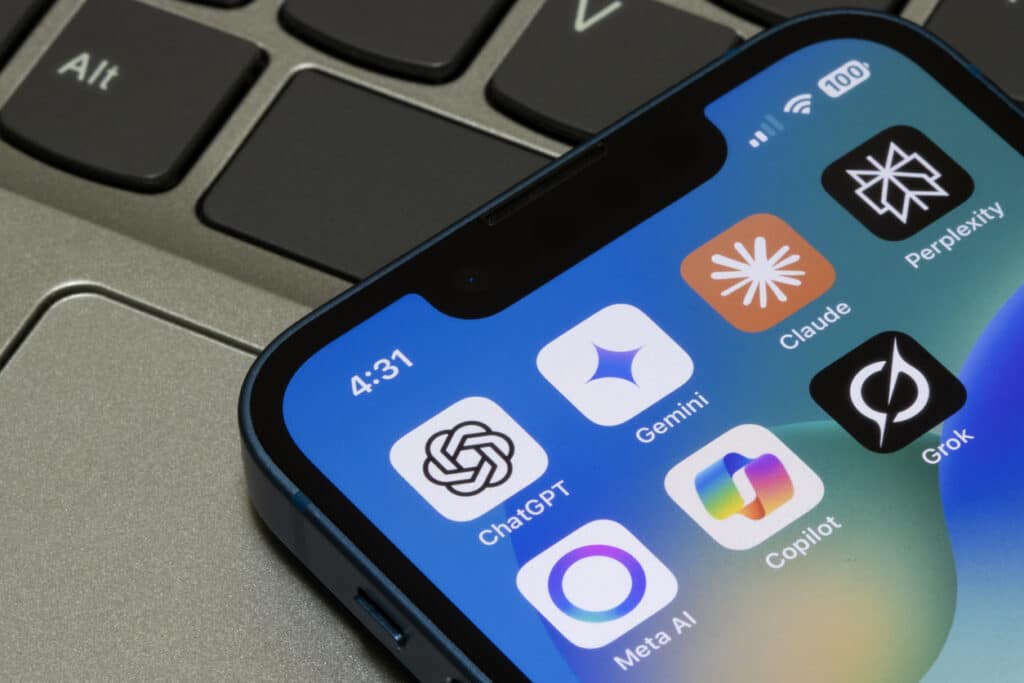
Growing use of artificial intelligence (AI) for health advice is creating a greater need for expert human support, rather than replacing it, according to health and wellbeing support provider RedArc.
The company said it has seen a significant rise during the past year in referrals involving people who have already used AI-generated health information.
People are increasingly turning to AI tools to check symptoms, investigate potential diagnoses and explore treatment options before speaking to a healthcare professional. RedArc said this can help people engage with their health, but can also leave them confused, overwhelmed or with misconceptions that require professional guidance.
The trend has implications for employers and workplace wellbeing providers as AI becomes another route through which employees seek information about physical and mental health.
Employees may now arrive at occupational health, employee assistance, insurance or other workplace health services having already researched their symptoms extensively and formed views about what might be wrong or what treatment they need.
RedArc argues this changes the role of workplace health support. Providing access to information alone may become less valuable as information becomes increasingly easy to obtain, while helping employees interpret that information and navigate towards appropriate care could become more important.
Christine Husbands, commercial consultant at RedArc, said: “One of the many challenges with health information is that people don’t know what they don’t know, so often don’t know the right questions to ask. While AI has made information more accessible, it can also take people down unhelpful paths, creating confusion rather than providing clarity. It certainly cannot yet provide the personalised care, reassurance and clinical perspective that people usually need when a significant health matter arises.
“Human expertise remains essential in ensuring people receive the correct type of support for them. Human qualities, such as empathy and judgement, together with the huge information-collation capabilities of AI is a very powerful combination.”
The provider also warned of an “echo-chamber” effect, where the way users frame questions can influence responses and potentially reinforce existing concerns without an experienced professional providing context.
This could be particularly important when employees are anxious about symptoms or dealing with a serious health issue. Conversational AI can give the impression of personalised guidance, RedArc said, potentially encouraging some users to place greater confidence in its responses than is warranted.
Husbands said: “Increasingly, organisations need to recognise that many people will have already extensively researched their symptoms, explored possible diagnoses and even formed views on treatment options before speaking to a professional.
“It is important not to dismiss this information, but to help people understand it in the context of their own circumstances. Therefore, effective support has always been, and will remain, fundamentally human. However, as AI becomes more widely used, organisations must ensure that they are, or their chosen support provider is, equipped to help people interpret the information they find and guide them towards the most appropriate support.”
Related News
-
 Industry News
Benefits, Reward & Experience
Heka adds personalised life insurance to employee benefits platform
7 September 2026 3 min readAll Sectors -
 Industry News
Benefits, Reward & Experience
Heka launches workforce prediction tool to flag health risks before absence rises
1 October 2026 3 min readAll Sectors -
 Opinion & Commentary
Workforce Technology & Insights
Wellbeing, not lip service: what employees expect from employers
18 August 2026 5 min readAll Sectors -
 Opinion & Commentary
Workforce Technology & Insights
How to tackle Technostress and growing AI anxiety
1 December 2025 6 min readAll Sectors

